Simple Fixes Can Help Paint Last Longer in a Damp Room
Many bathroom painting problems come from moisture, poor prep, or the wrong paint. The good news is that most of these issues can be fixed or avoided. If paint is peeling, streaking, or drying badly, the first step is to find the cause before adding a new coat. In homes around Mechanicsville, MD, bathrooms often deal with steam, weak airflow, and old wall damage, so a careful plan matters.
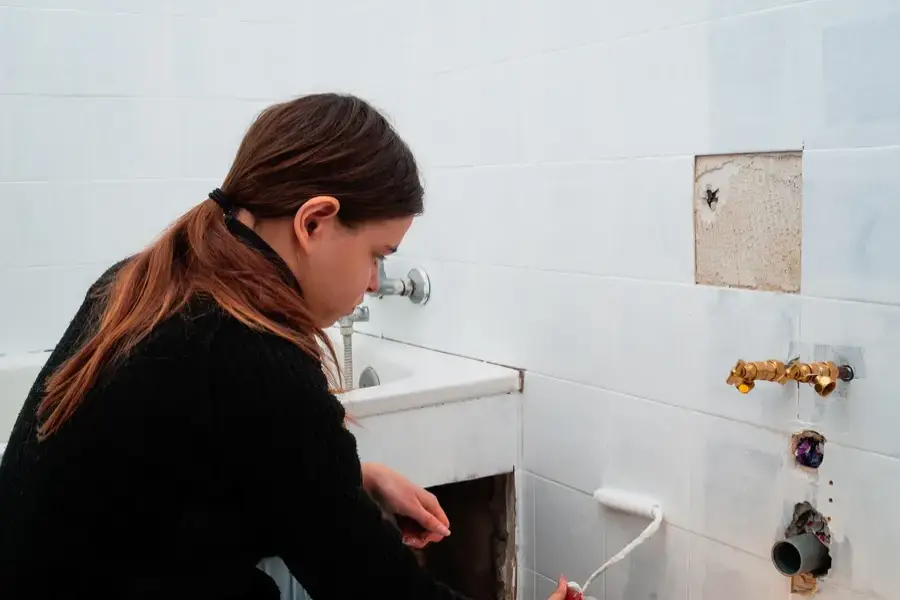
Quick diagnosis summary
When bathroom painting goes wrong, the signs are usually easy to spot. Paint may bubble, peel, crack, stay tacky, or look patchy. These problems often show up near the shower, tub, ceiling, and trim. In many cases, the paint itself is not the only issue. The surface under it may be dirty, damp, or weak. A bathroom is a hard-working room, so even small prep mistakes can lead to bigger trouble later.
Common symptoms
Different paint problems can point to different causes. Looking closely at the surface can help narrow it down. Some signs show up right away, while others take weeks or months.
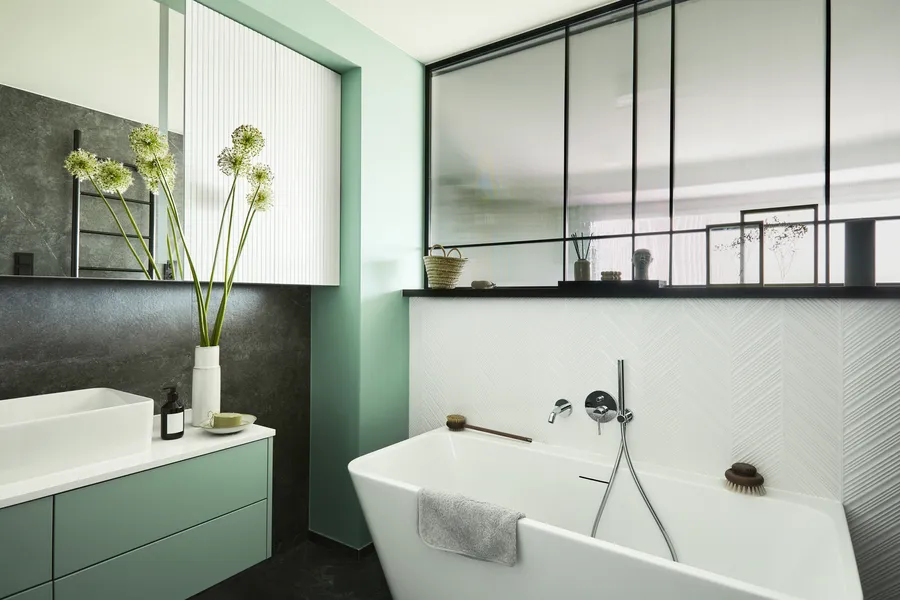
- Peeling paint often means poor prep or trapped moisture.
- Bubbling can mean water got under the paint film.
- Streaks may come from thin coats or rushed rolling.
- Mildew spots often grow in rooms with weak airflow.
- Cracking can happen when old paint layers lose grip.
- Sticky walls may mean the paint has not cured well.
These issues can happen on drywall, wood trim, or ceilings. They can also show up after a wall patch if the patched area was not sealed well. Even in a simple service category job, the room needs special care because bathrooms deal with more steam than most spaces in a home.
Likely causes
The most common cause is moisture. Hot showers fill the room with steam, and that moisture sticks to walls and ceilings. If the fan is weak or missing, the room may stay damp for a long time. Paint does not bond well to a damp surface.
Another common cause is poor cleaning. Soap film, hair spray, and dust can stay on the wall even when it looks clean. Paint applied over that layer may fail early. Glossy old paint can also be a problem. If it is not dulled or primed, the new coat may slide instead of grip.
Using the wrong product can also lead to trouble. Some paints are better for low-moisture rooms like bedrooms. A bathroom needs paint made for wet, humid spaces. Skipping primer on stains, patches, or repaired drywall can lead to uneven color and dull spots.
What to check first
Before repainting, check the room from top to bottom. Start with moisture. Look for leaks near the tub, sink, toilet, and ceiling. If there is a leak, painting over the damage will not solve the problem. Next, test the vent fan. If it is loud but weak, it may not be moving enough air.
Then check the walls by touch and sight. Feel for soft spots, rough patches, and sticky paint. Look for mildew dots, peeling edges, and stains. If the wall has been patched before, see if that area feels smoother or chalkier than the rest. These clues help show what prep work is needed.
- Check for leaks and water stains.
- Run the vent fan and check airflow.
- Wash walls to remove film and dust.
- Scrape loose or peeling paint.
- Sand glossy or rough spots.
- Prime repairs, stains, and bare areas.
Safe fixes vs pro-level fixes
Some bathroom painting problems are simple enough for a handy homeowner. Washing walls, scraping small peeling areas, sanding, and applying a bathroom-ready primer can be manageable. Repainting a small powder room may also be a fair weekend job if the walls are in good shape.
Other cases call for more skill. Large peeling sections, repeated mildew, ceiling stains, or damaged drywall usually point to a deeper issue. If water keeps getting in, the paint will keep failing. A pro can spot hidden trouble, repair the surface the right way, and choose products that fit the room.
Cutting around tile, mirrors, vanities, and trim can also be harder than it looks. Bathrooms are small, but they often have tight corners and many edges. A clean finish takes patience and a steady hand.
Prevention tips
The best way to avoid future paint failure is to lower moisture and take prep seriously. Run the fan during showers and for at least twenty minutes after. If the room has a window, open it when weather allows. Wipe heavy water off walls if steam builds up fast.
Use paint made for bathrooms and follow dry times between coats. Do not rush the job. A wall that feels dry to the touch may still need more time before the next coat. Keep the room as dry as possible while the paint cures.
- Clean walls well before painting.
- Fix leaks before any surface work starts.
- Use primer where needed, not just paint alone.
- Pick products rated for high-humidity rooms.
- Let each coat dry fully.
- Keep airflow moving during and after the project.
Final recommendation
If bathroom painting keeps failing, the smartest move is to stop and find the root problem first. A fresh coat can only do so much when there is trapped moisture, old damage, or bad airflow behind it. For homeowners in Mechanicsville, MD, a careful inspection can save time and help the next paint job last longer. At DJ's Painting & Powerwashing, we help fix surface problems, improve prep, and apply the right products for damp spaces. Call us at (301) 861-9167 to talk about your bathroom and set up the next step.